Unique Wall Paper Embroidery Design Reviewed for Business Merch
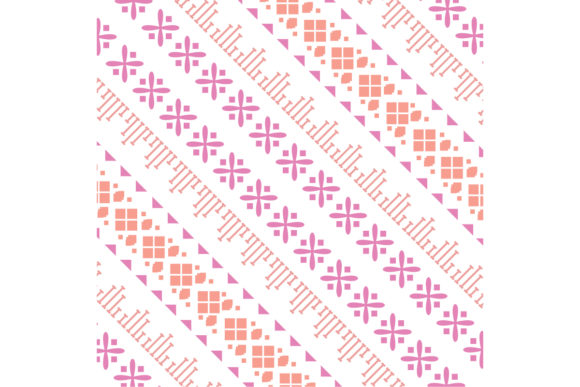
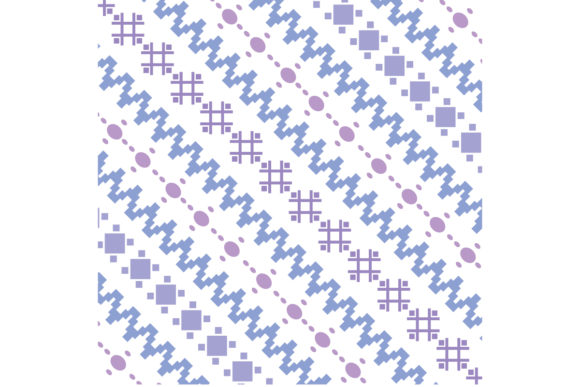
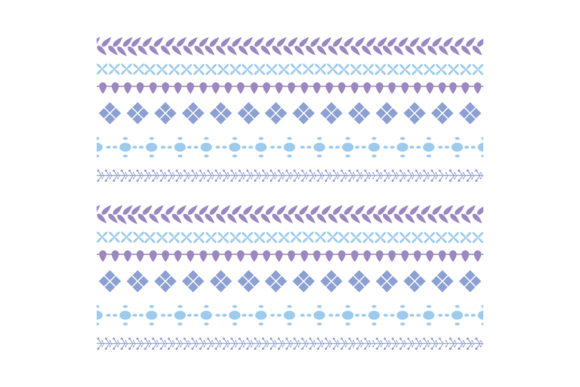
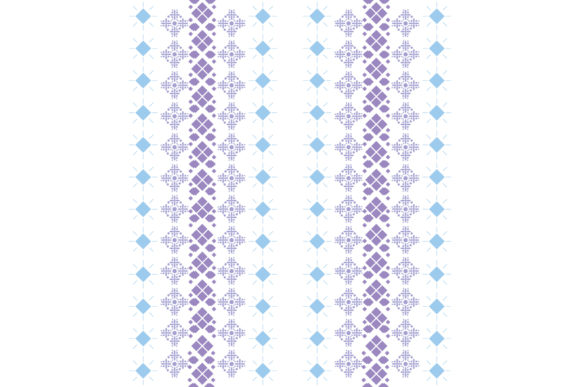
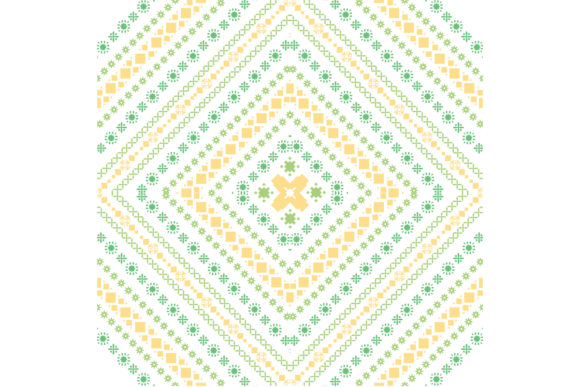
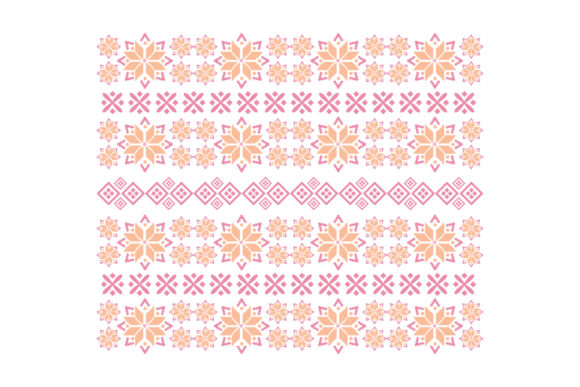
When I first opened the Unique Wall Paper Embroidery Design, I was curious how a pattern originally described for bedroom decorative use would translate into commercial embroidery for small business merchandise. As someone who has spent years digitizing and stitching for apparel decorators, handmade brands, and Etsy sellers, I have learned that a design's origin does not limit its potential. The Unique Wall Paper Embroidery Design carries a decorative, pattern-driven personality that feels both playful and refined. It is not a loud, oversized graphic. Instead, it reads like a subtle texture or a repeating motif that could become a signature mark for a boutique, café, or creative studio. My first impression was that this design leans toward handmade charm with a touch of elegance. It does not scream for attention but rather invites closer inspection, which is exactly the kind of quiet confidence that builds brand identity over time.
The Unique Wall Paper Embroidery Design is categorized under Patterns and listed as Graphics, which tells me it was likely conceived as a decorative element rather than a standalone logo. That is not a weakness. In fact, many of the most successful small business merch projects I have worked on use pattern-based designs as repeat motifs on aprons, tote bags, and cap backs. The design's wallpaper origins suggest a repetitive, balanced composition that could work beautifully as an all-over print or a repeated accent. However, for embroidered patch use, the key question is whether the design holds its integrity at a smaller scale. I would recommend testing it at various sizes before committing to production. If the pattern is too dense, it may lose clarity when reduced for a cap front or a chest logo. If it is too open, it might feel incomplete as a standalone mark. The Unique Wall Paper Embroidery Design occupies an interesting middle ground, and that is where its real business value lies.
How This Design Performs on Real Business Merchandise
I have evaluated the Unique Wall Paper Embroidery Design across several common custom apparel formats that small business owners typically request. For apron embroidery, this design works exceptionally well as a centered chest motif or a repeating trim along the bottom edge. The pattern nature of the design allows it to feel like part of the fabric rather than an appliqué stuck on top. For cap embroidery, I advise caution. Caps have a curved surface and limited real estate. The Unique Wall Paper Embroidery Design may need to be simplified or used as a small side accent rather than a full front logo. On a tote bag design, the pattern can shine as a large central feature or a subtle all-over texture. Tote bags offer enough flat surface area to let the design breathe, and the handmade quality of the embroidery complements the casual nature of the bag.
For embroidered patch applications, the Unique Wall Paper Embroidery Design holds promise if the stitch density is managed carefully. Patches require a certain level of density to cover the fabric backing, but too much density can make the patch stiff and heavy. I would test this design with a medium-weight stabilizer and a tight but not excessive stitch count. The pattern should be digitized with clean underlay and balanced thread colors to ensure the design reads clearly from a distance. For staff uniforms and work shirts, the design can serve as a repeat pattern on sleeves, pockets, or collar interiors. It adds a layer of sophistication without overwhelming the garment. For product packaging accents, a small embroidered patch featuring the Unique Wall Paper Embroidery Design can elevate a simple box or bag into a memorable unboxing experience. I have seen handmade brands use similar pattern-based patches as stickers, hang tags, and sew-on labels, and the effect is consistently positive for buyer engagement.
Where to Use This Design with Care
No design is perfect for every application, and the Unique Wall Paper Embroidery Design has specific limitations that embroidery shops and product designers should consider. First, small patch sizes may cause the pattern to become muddled. If the design contains fine lines or closely spaced elements, reducing it below two inches in width could compromise readability. I recommend keeping the design at least three inches in its smallest dimension for patch work. Second, cap fronts and other curved surfaces present a challenge because the pattern may distort when stretched over a curved frame. Use a firm stabilizer and consider a floating hoop technique to minimize puckering. Third, if the Unique Wall Paper Embroidery Design includes any tiny lettering or delicate details, those elements are likely to break up on textured fabrics like fleece or heavy canvas. Stick to smooth fabrics such as twill, denim, or cotton poplin for best results.
High stitch density is another factor to monitor. Dense patterns can cause fabric distortion, especially on lightweight shirts or delicate aprons. If the design feels stiff after stitching, reduce the density or use a softer fill stitch. Detailed outlines may also pose problems on dark uniforms where thread contrast is lower. Always test the design on the actual fabric color you plan to use. A light-colored thread on a dark background can create a striking effect, but only if the design's shapes are clearly defined. For items that need frequent washing, such as café aprons or staff uniforms, the Unique Wall Paper Embroidery Design should be stitched with high-quality polyester thread and a strong backing to prevent fraying. I always advise my clients to wash-test a sample before committing to a bulk order.
How This Design Shapes Brand Identity and Customer Trust
The Unique Wall Paper Embroidery Design carries a decorative, almost artisanal personality that can significantly influence how customers perceive a business. When a small café or boutique uses a pattern-based embroidery on their staff uniforms or merchandise, it signals attention to detail and a commitment to handmade product quality. Customers notice the difference between a generic printed logo and a thoughtfully chosen machine embroidery design. The Unique Wall Paper Embroidery Design feels intentional. It suggests that the business cares about aesthetics and is willing to invest in visual consistency. For a handmade soap brand, a florist, or a pet brand, this design could become a recognizable mark that appears on aprons, tote bags, and product labels. Over time, that consistency builds customer trust and brand identity in a way that disposable branding cannot.
From a commercial embroidery perspective, the design's pattern nature also offers versatility. It can be used as a full motif, a partial accent, or a repeating border. This flexibility allows small business owners to use the Unique Wall Paper Embroidery Design across multiple product lines without feeling repetitive. For example, a bakery could use the design as a chest logo on staff aprons, a small patch on cake boxes, and a larger version on canvas tote bags sold at the counter. Each application reinforces the same visual language, which strengthens brand recognition. The design's wallpaper origins also lend themselves well to printable mockup presentations. I often create mockups for my clients before stitching, and the Unique Wall Paper Embroidery Design renders beautifully in digital previews. That helps clients visualize the finished product and make informed decisions about placement, size, and color.
Practical Notes from an Embroidery Designer
Before you commit production time and materials to the Unique Wall Paper Embroidery Design, I recommend a short testing protocol. First, test it in black and white using your embroidery software. This reveals any spacing issues, overlapping elements, or areas where the pattern becomes too dense. Second, check if it works at small patch size. Reduce the design to two inches and examine whether the shapes remain distinguishable. If they blur together, plan to use the design at a larger scale or simplify the digitizing. Third, review thread color contrast by simulating the design on your target fabric color. Low contrast can make pattern details disappear. Fourth, inspect spacing between elements. If the pattern is too tight, stitches may push against each other and cause buckling. Fifth, confirm hoop size before you begin. The Unique Wall Paper Embroidery Design may require a larger hoop if used as a full motif, so plan your layout accordingly.
I also advise my clients to test on real fabric before running a full production batch. Fabric texture affects how the design sits on the surface. A smooth twill will showcase the pattern clearly, while a textured linen may obscure fine details. Use proper stabilizer for the fabric weight. A tear-away stabilizer works well for stable fabrics, but a cut-away stabilizer is better for knits or stretchy materials. Create a mockup for client approval using a digital embroidery file preview. This saves time and prevents misunderstandings. Compare it beside other design assets in your brand library. The Unique Wall Paper Embroidery Design should complement your existing logos, fonts, and color palette. If it feels disconnected, consider adjusting the thread colors or placement. Finally, confirm commercial licensing before you use the design for business merchandise. The product listing does not specify license terms, so I recommend contacting the seller or checking the product page for any usage restrictions. Most digital embroidery files for small business use come with a commercial license, but it is always better to verify than to risk infringement.
Design Assets That Elevate Small Business Merch
The Unique Wall Paper Embroidery Design sits within the Patterns category and the Graphics type, which means it is part of a broader collection of design assets that can be mixed and matched. For small business owners building a cohesive brand, having a pattern-based embroidery file opens up creative possibilities. You can use the design as a standalone piece, combine it with text, or repeat it across a garment. The decorative nature of the design makes it suitable for handmade product lines where the stitching itself becomes part of the product's story. Customers who buy handmade goods often value the time and skill that goes into embroidery, and the Unique Wall Paper Embroidery Design showcases that craftsmanship effectively.
For Etsy sellers and craft business owners, this design can be offered as a digital embroidery file for customers who want to stitch their own patches or apparel. The pattern's wallpaper origin gives it a timeless quality that appeals to buyers looking for something beyond standard logos. For merch creators producing limited runs for events or collaborations, the Unique Wall Paper Embroidery Design provides a distinctive look that stands out from typical promotional products. I have seen similar pattern-based designs used successfully on event merch for craft fairs, pop-up shops, and brand launches. The key is to treat the design as a branding tool rather than just decoration. When it is applied consistently across custom apparel, tote bag design, and apron embroidery, it becomes a visual shorthand for the business itself.
From a technical standpoint, I recommend keeping the stitch density moderate and using no more than three or four thread colors to maintain the design's clarity. The Unique Wall Paper Embroidery Design does not need to be complicated to be effective. In fact, simpler thread palettes often produce a more professional finish. Always review thread color contrast under natural light and artificial light, as some colors shift appearance depending on the environment. For businesses that plan to use the design on dark uniforms, consider a metallic or high-contrast thread to make the pattern pop. For light fabric, a tonal or slightly darker thread creates a subtle, textured look that feels premium without being loud.
In my experience, the best machine embroidery design for small business merchandise is one that balances beauty with practicality. The Unique Wall Paper Embroidery Design leans toward the decorative side, but with thoughtful digitizing and testing, it can serve as a reliable asset for branded patches, staff uniforms, and small business merch. Its pattern-driven personality offers a refreshing alternative to standard logo embroidery, and its wallpaper heritage gives it a unique storytelling angle that customers remember. Whether you are outfitting a café, launching a handmade line, or building a cohesive brand identity, this design deserves a place in your testing queue. Stitch it well, place it intentionally, and watch how a simple pattern can elevate your entire product line.