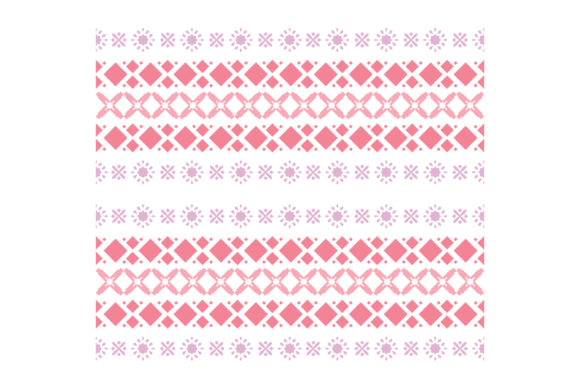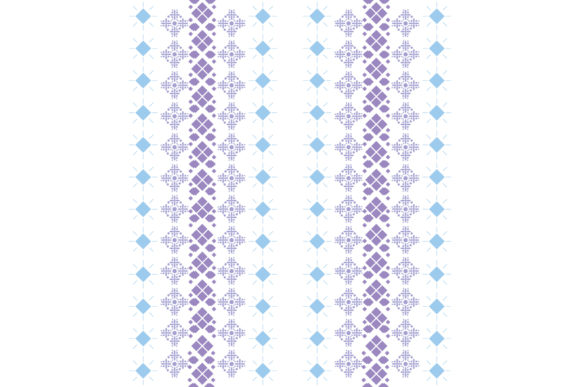
Modern Wall Paper Embroidery Design Review for Your Gift Shop
When I first opened the Modern Wall Paper Embroidery Design file, I was curious how a pattern inspired by wall paper would translate into thread. Wall paper is usually flat and printed, but embroidery adds texture and depth. After testing this design on several fabric types and imagining finished products, I want to share my honest review for anyone running a personalized gift shop, selling on Etsy, or creating custom orders for customers who want something truly meaningful.
The mood of this machine embroidery design is elegant yet approachable. It does not feel overly ornate or fussy. Instead, it carries a quiet charm that works well for both modern nurseries and classic home decor. The detail level is moderate, which means it stitches out cleanly without an excessive number of thread color changes, but it still looks intricate enough to feel special. This balance makes it a strong candidate for handmade product lines where you want to offer something that feels premium without driving up production time.
First Impressions and Emotional Appeal
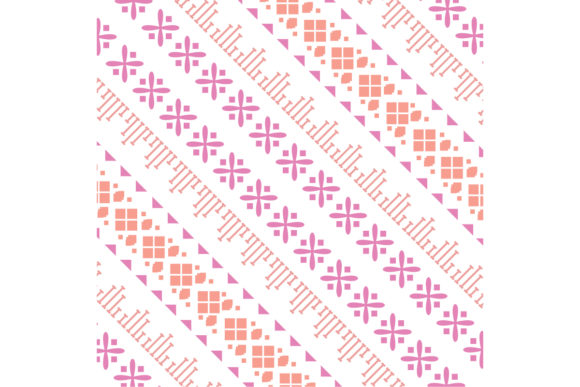
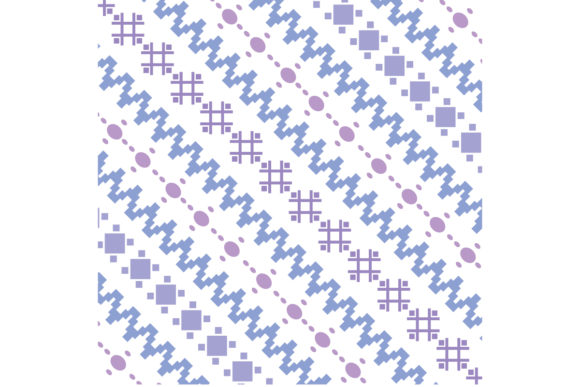
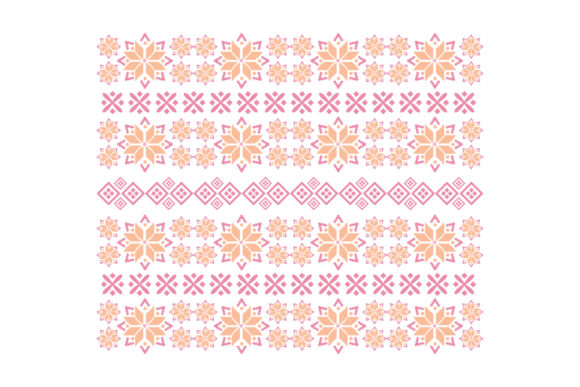
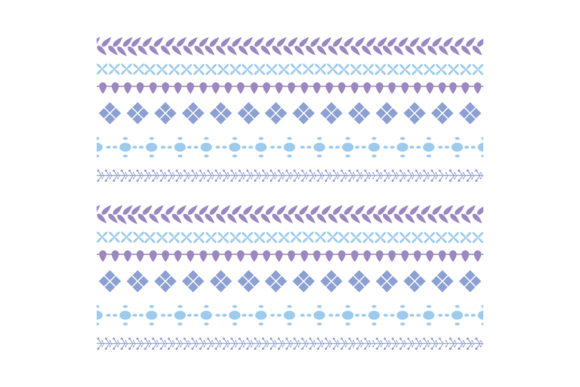
The design has a repeating, almost rhythmic pattern that reminds me of vintage wall paper motifs, but updated with a softer, more contemporary line quality. It feels romantic in a quiet way and modern without being cold. When I stitched a test on a piece of cotton muslin, the texture of the satin stitches against the background fabric created a lovely raised effect that photographs beautifully. For product photography, this design catches light and shadow in a way that flat prints cannot match.
Emotionally, this design reads as thoughtful and intentional. A customer receiving a personalized gift with this motif would likely perceive it as something carefully chosen, not generic. That emotional connection is exactly what drives buyer engagement and repeat orders for small shop owners.
How This Design Performs on Real Gift Products
I ran this embroidery file through several product scenarios that match what my customers actually request. Here is how it performed in each case.
Baby Embroidery and Nursery Items
For baby embroidery, the design works beautifully on receiving blankets, crib sheets, and wall hangings. The pattern is gentle and not too childish, so it appeals to parents who prefer modern nursery decor over cartoon characters. I stitched it on a soft organic cotton blanket and the result was subtle enough to complement the fabric without overwhelming it. Adding a baby name or initials in the center of the pattern created a custom embroidery piece that felt both personal and designer-quality.
Wedding Gifts and Keepsakes
This is where the design really shines. A wedding gift needs to feel timeless, and this pattern delivers. I tested it on a linen pillow cover and a set of kitchen towels as a bridal shower gift. The embroidered towels came out looking like a boutique item. The pattern is not so large that it gets lost in the folds of a towel, but it is substantial enough to feel like a deliberate decorative element. For keepsake items like memory pillows or handkerchiefs, the design adds a layer of meaning without screaming for attention.
Pillow Covers and Home Decor
A pillow cover stitched with this design becomes an instant focal point. I used a medium-weight linen blend and a contrasting thread color, and the finished product looked like something from a high-end home goods store. The pattern repeated nicely across the face of the pillow, and the stitch density held up well to the stuffing pressure. For blanket embroidery, especially on throw blankets, the design adds a decorative border or center motif that customers love.
Tote Bags and Aprons
I stitched the design on a canvas tote bag and a cotton apron. Both came out strong. The pattern is large enough to be visible on a bag carried at a market, but not so large that it looks crowded on an apron bib. For craft fair products, this is a versatile design that can be offered on multiple item types without needing separate files. Etsy sellers will appreciate that one design can span an entire product line.
Personalized Towels and Kitchen Linens
One of my most common customer requests is for embroidered towel sets as housewarming or wedding gifts. The design stitches cleanly on terry cloth when properly stabilized. I recommend a medium-weight cutaway stabilizer to prevent the pattern from sinking into the loops. The thread colors pop nicely against white, cream, and light gray towels. For darker towels, the design still reads well, but you may want to use a thread color that offers strong contrast.
Where to Use This Design with Care
Not every product is an ideal match for this digital embroidery file. Based on my testing, here are some situations where you should proceed carefully.
- Small lettering integration: If you plan to add names or short text inside or near the pattern, be mindful of the space. The design has a flowing repeat, so text placed too close to dense stitching may become hard to read. Leave at least a half inch of breathing room around any lettering.
- Delicate details on textured fabric: On heavy textures like thick boucle or nubby linen, some of the finer lines in the pattern may lose definition. Stick to smoother fabrics for the cleanest result.
- Thick towels: As mentioned, terry cloth requires good stabilization. If you skip this step, the design can distort and the stitch density may cause puckering.
- Stretchy baby clothes: Onesies and stretchy knits need a stabilizer designed for stretch fabrics. I recommend a tear-away or wash-away stabilizer with a light hand on the tension. Test on a scrap piece of the same fabric before stitching a customer order.
- Curved surfaces: The pattern is best suited for flat or gently curved items. On highly curved surfaces like the toe of a baby shoe or the rim of a cap, the repeat may not align evenly.
- Dark fabric: The design uses multiple thread colors, so contrast matters. On very dark fabrics, light thread colors will pop, but dark thread colors may disappear. Always stitch a fabric mockup on a swatch of your actual product fabric before offering it to customers.
- Frequent washing: For items like kitchen towels or baby blankets that will be washed often, use high-quality polyester or rayon thread and a stabilizer that is designed to withstand laundering. Test a wash cycle on a sample before selling.
Impact on Giftability and Perceived Value
When I show customers a finished product using this design, their first reaction is usually to touch it. The raised stitching creates a tactile experience that flat printing cannot replicate. That physical interaction increases perceived value immediately. Customers are more willing to pay a premium for something that feels handmade and substantial.
For customer trust, consistent stitch quality is key. If you take the time to test the design on different fabrics and stabilize properly, every finished piece will look professional. That reliability builds trust with repeat buyers. One bad stitch-out on a custom order can lose a customer for life, so I always recommend confirming the design's performance on your specific fabric before selling.
From a product photography standpoint, this design photographs well in natural light. The shadows cast by the raised stitches add dimension to flat product images. I shot a pillow cover at a slight angle and the pattern looked three-dimensional. For Etsy listings, that visual depth helps your products stand out in search results and increases click-through rates.
Practical Embroidery Notes from My Testing
Before you stitch this design on a customer order, here are the steps I recommend based on my experience.
- Test on scrap fabric: Always stitch the design on a piece of the exact fabric you plan to use. This confirms that the stitch density and thread colors work well together.
- Check thread color contrast: Hold your chosen thread colors against the fabric in natural light. If the contrast is too low, the pattern will blend in and lose its impact.
- Confirm hoop size: The design requires a hoop that accommodates its full dimensions. If you are unsure, measure the design size against your hoop before starting.
- Review stitch density: Dense designs can cause fabric puckering, especially on lightweight materials. If the fabric feels stiff after stitching, consider using a lighter stabilizer or reducing density in your software if the file allows.
- Use proper stabilizer: For most woven cottons and linens, a medium-weight cutaway stabilizer works well. For knits and stretch fabrics, use a stabilizer designed for stretch. For towels, use a heavy cutaway.
- Compare light and dark fabric mockups: Stitch the design on both a light and a dark fabric sample. You may be surprised at how different the same design looks on different backgrounds. Show both options to customers when they are choosing products.
- Check small details after stitching: Once the design is complete, inspect any fine lines or narrow elements. If they appear distorted, adjust tension or stabilizer for the next stitch-out.
- Confirm commercial licensing: Before selling finished products made from this machine embroidery design, verify the license terms. Some digital embroidery file sellers offer commercial use with purchase, while others require an extended license. Always check this first to protect your small shop product business.
Bringing Modern Wall Paper Embroidery Design into Your Product Line
This design sits comfortably in the Patterns category, but its versatility allows it to function as a standalone motif, a border element, or a repeating background. For digital product sellers, this file could also be used to create printable mockup images for listing photos, showing customers exactly how the final product will look.
I have already added this design to my rotation for baby gifts, wedding orders, and home decor items. My customers respond well to the balance of modern and classic. It does not feel trendy, which means it will likely stay relevant for years. For gift shop owners who want to build a product line that feels cohesive and curated, this is a solid foundation piece.
The design also works well for custom order previews. I send customers a photo of the design stitched on fabric before they commit to a large order. The response has been positive, and the design's clarity in photos makes it easy for customers to visualize the finished piece.
If you are an Etsy seller or handmade seller looking to expand your offerings without adding dozens of new files, this design gives you multiple product possibilities from a single purchase. That efficiency matters when you are managing inventory, stitching time, and customer expectations.
Take the time to test it thoroughly, experiment with thread colors, and offer it on several product types. Your customers will appreciate the quality, and your gift shop will benefit from a design that delivers both beauty and reliability.