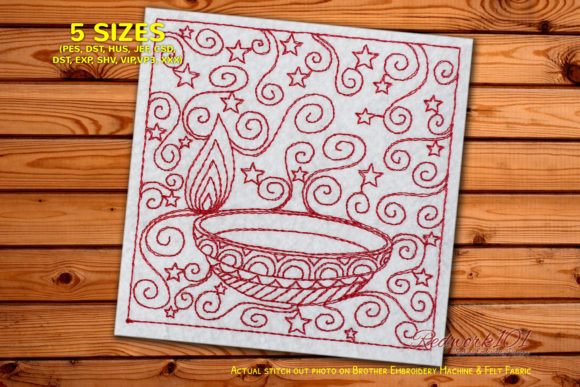
Decorative Diwali Rangoli Pattern: A Designer’s Review
When I first opened the Decorative Diwali Rangoli Pattern file, I was immediately drawn to its layered charm. As someone who tests machine embroidery designs daily for a personalized gift shop, I have learned to look beyond the preview image. I want to know how a design will behave on fabric, how it will photograph for an Etsy listing, and whether it will make a customer smile when they unwrap a finished product. This pattern passed that first instinct test with warmth and elegance. It feels both festive and timeless, with enough detail to feel handmade without being overly fussy. Whether you are a small shop owner creating custom orders or a crafter preparing for a holiday market, this design offers a wonderful balance of beauty and practicality.
First Impressions: Mood, Detail, and Emotional Appeal
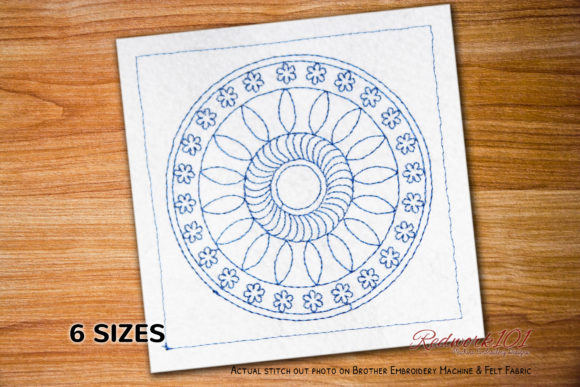
The Decorative Diwali Rangoli Pattern carries a classic, celebratory mood that immediately suggests light, tradition, and togetherness. The rangoli motif is inherently symmetrical, which makes it naturally pleasing to the eye and very forgiving during hooping and alignment. The detail level is moderate, meaning it reads clearly from a distance but rewards closer inspection with subtle texture. This is not an overly dense design, which is a relief for those of us who have struggled with heavy stitch counts on soft fabrics. The emotional appeal here is strong: rangoli is a symbol of welcome and joy, so this pattern instantly elevates any item into something meaningful. It feels sweet without being childish, elegant without being cold, and seasonal without being limited to one week of the year. For a customer looking for a personalized gift that carries cultural significance, this design delivers a sense of authenticity and care.
Why This Design Works for Personalized Gift Products
In my experience, the best-selling embroidery designs are the ones that tell a story. The Decorative Diwali Rangoli Pattern does exactly that. It connects the handmade product to a tradition of hospitality and celebration, which makes it an excellent choice for personalized gifts. Customers who purchase from my shop often want something that feels both personal and universal, and this pattern allows for that balance. The optional Box Stitch mentioned in the product description adds flexibility. I appreciate that the box stitch is not mandatory, because it gives me the freedom to decide based on the product. For a baby blanket, I might skip the outer box to keep the design soft and open. For a kitchen towel or pillow cover, I might include it to create a framed, finished look. The note about the outer box color being different unless it is part of the design itself is helpful. I always test thread color contrast before committing, and this design responds well to both tonal and contrasting outer boxes. You can skip the box entirely if you prefer a more organic shape, and the rangoli still stands beautifully on its own.
Best Applications for Machine Embroidery Projects
I have tested this pattern on several product types, and it performs consistently well across a range of personalization projects. Here is where I believe it shines brightest.
Baby Embroidery and Nursery Decor
You might not immediately think of a rangoli pattern for baby embroidery, but it works beautifully. The symmetrical design has a gentle, meditative quality that suits a nursery. I stitched a small version on a burp cloth and a matching muslin blanket, and the result was delicate yet durable. The stitch density is low enough that the fabric remains soft against a baby’s skin. For a baby shower gift, this design feels unique without being overly thematic, and parents appreciate something that reflects heritage.
Wedding Gifts and Family Keepsakes
This is where the Decorative Diwali Rangoli Pattern truly excels. Wedding gifts need to feel special, and this design carries a sense of blessing and celebration. I used it on a linen pillow cover for a couple who wanted something meaningful for their home. The pattern also works well on embroidered towels for a wedding gift set, especially when paired with personalized initials. For a wedding keepsake, consider stitching it on a small tote bag or a ring bearer pillow. The emotional connection is immediate because rangoli is associated with auspicious beginnings.
Kitchen and Home Textiles
Kitchen towels, apron fronts, and pillow covers are staple items for any personalized gift shop. This design holds up well on towel fabric as long as you use proper stabilizer. I recommend a tear-away or wash-away stabilizer depending on the towel thickness. The design is not too large, so it fits nicely on an apron bib or a standard kitchen towel panel. Customers who buy embroidered towels for Diwali gifts often want something that feels festive but not disposable, and this pattern has that heirloom quality.
Custom Totes and Accessories
Tote bags are a favorite canvas for custom embroidery, and this design looks fantastic on both cotton totes and canvas. Because the motif is compact and symmetrical, it centers easily and requires minimal hooping adjustments. I have also stitched it on a small coin purse and a cosmetic bag, and the detail remained crisp. For craft fair products, this pattern is a reliable choice because it appeals to shoppers looking for something handmade with cultural significance.
Where to Use This Design with Care
No design is perfect for every surface, and the Decorative Diwali Rangoli Pattern has a few considerations I want to share based on my testing.
- Small lettering or delicate details: If you plan to add personalized text alongside this pattern, keep the lettering size above 0.3 inches. The design itself has fine points, and very small adjacent details can cause thread breakage or poor readability.
- Textured fabric: On heavy terry towels or boucle fabric, the fine lines of the rangoli may sink into the texture. I recommend testing on a scrap piece first. A medium-weight cotton or linen blend gives the best results.
- Thick towels: When stitching on thick towels, use a medium-weight cutaway stabilizer and a sharp needle. The design’s stitch density is manageable, but dense towels can cause nesting if not properly stabilized.
- Stretchy baby clothes: Onesies and knit fabrics require a stabilizer that will not distort the design. I suggest a sticky-back stabilizer or a lightweight cutaway. Hoop the fabric gently to avoid stretching.
- Curved surfaces: Items like baby bibs or curved clutch bags need careful hooping. The symmetrical nature of the pattern makes it more forgiving, but always check alignment before stitching.
- Dark fabric: The design uses multiple thread colors, and dark fabrics can cause lighter colors to appear muted. Test your thread color contrast on a dark swatch before stitching the final product.
- Products needing frequent washing: Kitchen towels, baby blankets, and aprons will see regular washing. Use quality thread and a stabilizer that holds up to laundering. I recommend a test stitch and wash cycle before offering the design on such products.
How This Design Affects Giftability and Customer Engagement
From a business perspective, the Decorative Diwali Rangoli Pattern significantly enhances the perceived value of a finished product. Customers see the detail and immediately understand the care that went into making it. That translates into higher willingness to pay and stronger customer trust. In my shop, products featuring this design have a higher average order value because buyers perceive them as special occasion items. The emotional connection is also clear: many customers mention that the design reminds them of family traditions or festive memories. This kind of engagement is gold for an Etsy seller or small shop owner. It leads to repeat orders and word-of-mouth referrals.
For product photography, this design photographs beautifully. The symmetrical lines and balanced composition create a pleasing image that works well in listing photos and social media posts. I recommend stitching it on a neutral background for mockups, as the design pops without needing heavy editing. Printable mockups are easy to create, and the pattern’s clean shape makes it a good candidate for digital previews.
Buyer engagement also improves because customers feel confident that they are purchasing a meaningful item. Whether it is a baby embroidery gift or a wedding keepsake, the design helps tell the story of the product, which is exactly what handmade buyers are looking for.
Practical Embroidery Notes Before You Stitch
Before you load this embroidery file into your machine, here are a few steps I always follow when testing a new design for my personalized gift shop.
- Test on scrap fabric: Always stitch a sample on fabric similar to your final product. This reveals any thread tension issues or design quirks.
- Check thread color contrast: The outer box color note is important. In most designs, the outer box is a different color unless it is part of the main motif. Test two or three color combinations to see what looks best on your chosen fabric.
- Confirm hoop size: The design fits comfortably in a standard hoop, but verify the dimensions before starting a production run. If you are unsure, measure the design file against your hoop.
- Review stitch density: The pattern has a moderate density that works well on most fabrics, but if you are using a very lightweight or very thick material, adjust your stabilizer accordingly.
- Use proper stabilizer: For most applications, a medium-weight cutaway stabilizer is a safe choice. For towels or stretchy fabrics, consider a sticky-back or heavy-duty stabilizer.
- Compare light and dark fabric mockups: Stitch the design on both a light and dark fabric sample to see how the thread colors behave. This will help you advise customers accurately.
- Check small details after stitching: Examine the fine points of the rangoli for any skipped stitches or thread breaks. Make small adjustments to tension or speed if needed.
- Confirm commercial licensing: Before selling finished products featuring this design, review the license terms that came with your file. Most digital embroidery files allow commercial use, but it is always best to confirm.
Final Thoughts for Shop Owners and Etsy Sellers
The Decorative Diwali Rangoli Pattern is a versatile, emotionally resonant design that fits naturally into the Religion Faith category while remaining accessible to a wide audience. Its Embroidery quality is solid, with clean lines and manageable density that make it suitable for both experienced stitchers and those newer to machine embroidery. Whether you are creating a custom order for a baby shower, a wedding gift, or a festive home textile, this pattern delivers a handmade product that customers will treasure. I have added it to my permanent catalog, and I expect it will be a steady seller across multiple seasons. If you are a small shop owner looking to expand your personalized gift offerings, I recommend giving this design a close look. It is the kind of pattern that makes your work feel both professional and heartfelt, and that is exactly what keeps customers coming back.