Abstract Decorative Seamless Pattern: A Practical Review
I have a confession: I judge every new embroidery design by how it handles a real-world tote bag. If it survives a structured tote, it earns a spot on a sweatshirt. If it looks good there, it might make it onto a linen towel or a baby blanket. When I first loaded the Abstract Decorative Seamless Pattern into my machine, I was preparing samples for a boutique client who wanted artisan, globally-inspired merchandise. The brief was simple: avoid the obvious, lean into the abstract. This design delivered exactly that. Its roots are clearly in the broader Paisley tradition, but the execution feels fresh, modern, and surprisingly versatile for a machine embroidery design.
A Designer’s First Look at the Abstract Decorative Seamless Pattern
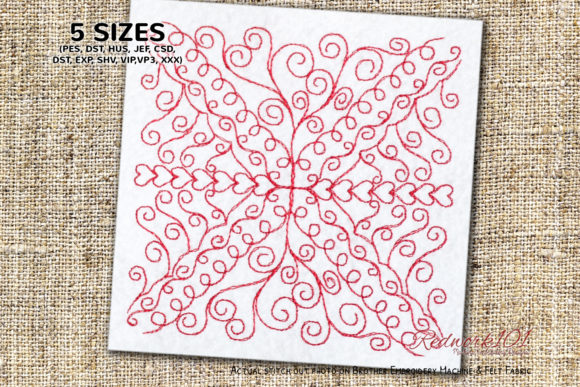
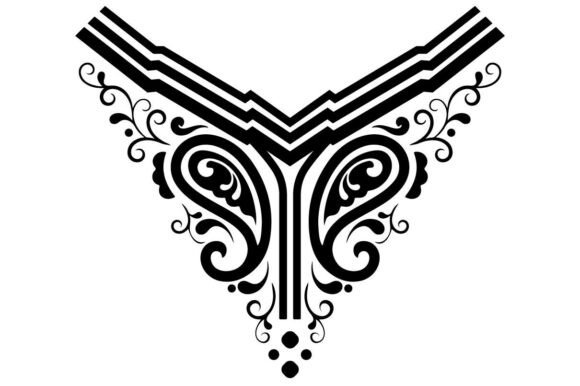
Opening the digital embroidery file, my first impression was of smooth, intentional flow. This is not a static, blocky ornament. The motifs curve and interconnect with a rhythm that feels organic. The mood it creates is sophisticated and artistic, but not heavy or overly traditional. It holds enough intricacy to look impressive, but the layout breathes—there is negative space that prevents it from becoming a dense, unreadable mass.
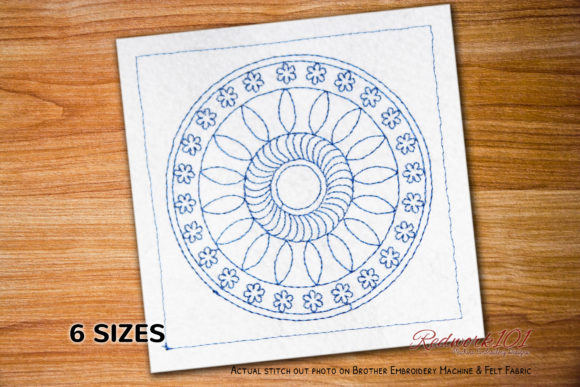
One specific detail in the product description immediately caught my eye: "The Box Stitch shown in picture is optional. The color of outer Box is different color in most of the designs unless it is part of the design itself, you can skip." This is a critical design note. In my test sew, I ran two versions. The first included the outer box with a contrasting thread color. This locked the abstract paisley motifs into a structured frame, creating a medallion-like effect that feels intentional and finished. The second version skipped the box entirely. Without it, the motifs float freely, behaving more like a true seamless pattern that can bleed off the edges of a hoop or fabric panel. Having this single toggle completely changes the personality of the finished product. It is genuinely two distinct looks from one embroidery project.
Real-World Performance – Tote Bags, Sweatshirts & Linen
I tested this design across three very different fabric textures to gauge its real behavior. On a medium-weight cotton twill tote bag, the design performed admirably. It uses a balanced mix of fill stitch and satin stitch to create depth. The stitch density is respectable—high enough to feel substantial and premium, but not so dense that it puckers the fabric or requires excessive stabilization. The seamless flow wrapped the flat panel of the tote beautifully, making it look like a custom-woven textile rather than an applique design tacked on top.
On a poly-cotton blend sweatshirt, the optional box stitch became the defining variable. Including the outer box on stretchy fleece requires a heavy-duty cutaway stabilizer to prevent the corners from pulling or tunneling. For my sweatshirt sample, I chose to skip the box. The abstract paisley motifs floated organically across the shoulder and chest area without fighting the fabric's natural drape. This is where the design feels most versatile for custom apparel. The running stitch details within the motifs are fine enough to look elegant, but not so tiny that they get lost in the fleece texture.
Finally, I tested the design on a linen tea towel. Linen is notoriously tricky because of its loose weave. I used a water-soluble topper to stabilize the satin stitch elements. The results were crisp. The contrast between the filled areas and the open negative space held up beautifully through a wash cycle. This tells me the design is solid for both decorative home goods and high-use items like kitchen towels or napkins.
Matching the Design to the Project – Where It Excels
The Abstract Decorative Seamless Pattern is not a one-trick pony. Its strength lies in its adaptability, especially when you leverage the optional box stitch. Here is where it naturally belongs:
- Custom Apparel & Sweatshirt Embroidery: The floating motif version works perfectly on the back of a denim jacket, the front of a crewneck sweatshirt, or a structured cap. It adds a high-end boutique feel without looking like a standard logo.
- Tote Bag Design & Canvas Projects: The framed version with the box stitch makes for an incredible tote bag design. It gives the bag a curated, artisan-market look that customers perceive as highly valuable.
- Home Decor & Pillow Covers: Both framed and unframed versions work well here. A row of the seamless pattern along the bottom hem of a throw pillow or tea towel creates a designer touch.
- Baby Embroidery & Nursery Decor: The abstract nature keeps it from being too mature. On a soft baby blanket or nursery wall hanging, the flowing paisley shapes add visual interest that grows with the child.
- Holiday & Wedding Gifts: Embroidered towels, matching robes, or personalized gift sets benefit from this design. It is detailed enough to feel like a thoughtful personalized gift, but abstract enough to match any home aesthetic.
- Small Shop Products & Etsy Listings: For the craft business owner, this design creates beautiful printable mockups. The seamless nature allows you to scale it across multiple product photos, building a strong visual brand identity without repetitive logo drops.
Potential Pitfalls – Where This Design Needs Extra Care
No machine embroidery design is universally perfect, and this one has specific edges that require an experienced hand.
- Small Hoop Sizes: If you are working with a 4x4 hoop, you will lose the impact of the seamless flow. The motifs need space to breathe and curve. This design truly shines in a 5x7 hoop or larger. Trying to cram the full pattern into a small area will cluster the stitches and muddy the detail.
- Textured or Stretchy Fabric: As noted in my sweatshirt test, stretchy fabrics demand careful stabilizer choice. The optional outer box can cause distortion on knits if you do not use a firm cutaway stabilizer. I recommend testing on scrap fabric first to dial in your tension.
- Dark Fabric Background: The design relies heavily on positive and negative space. Stitching it in a dark thread on dark fabric will completely hide the intricate paisley motifs. The product note is key here: "The color of outer Box is different color in most of the designs." If you choose to include the box, ensure that color actively contrasts with your fabric. A metallic thread for the outer box can be a stunning accent, but only if the contrast is deliberate.
- Curved Surfaces Like Caps: The dense satin and fill stitches do not easily conform to highly curved placements. It works best on flat or gently curved panels. Avoid placing the full framed version on the side of a cap, as it will distort.
- Commercial Use & Licensing: Before you start selling finished products or repackaging the digital embroidery file, confirm the commercial embroidery license terms. This is a professional-grade design asset, and respecting the creator's terms is essential for a legitimate Etsy seller or small shop.
Elevating Perceived Value in Handmade Products
In my experience as a designer, a customer's trust in a handmade product often hinges on the details. A cheap, generic embroidery file signals a cheap product. The Abstract Decorative Seamless Pattern, when executed correctly, signals intentional artistry. When I presented the tote bag samples to my boutique client, they immediately noted how the seamless pattern made the bag look like it was custom-woven, not just embroidered. That perception allowed them to price the bag at a premium, and customers responded positively.
For sellers, this design builds brand consistency. Using the same motif across sweatshirts, totes, and pillows creates a recognizable aesthetic. It elevates your handmade product line from a collection of random items to a cohesive collection. It also offers high giftability. A set of matching kitchen towels or a baby blanket with this border feels like a deliberate, expensive gift. The recipient perceives the time and skill involved in the embroidery project, which strengthens the emotional value of the item.
Practical Workflow Notes for Designers and Crafters
- Test on Scrap Fabric First: Run a test sew on fabric that mimics your final product. Check the stitch density and confirm the thread tension is balanced, especially around the satin stitch details.
- Hoop Size Confirmation: Verify your hoop size matches the design dimensions. Do not assume it will fit until you check the file properties.
- Thread Color Strategy: Plan your palette. The optional outer box is your wildcard. Prepare a mockup with the box and one without. A contrasting box can define a collection, while skipping it creates a softer, more organic feel.
- Stabilizer Selection: For woven fabrics like totes and towels, a medium cutaway is sufficient. For knits and sweatshirts, use a firm cutaway. For delicate fabrics like linen, consider a water-soluble topper.
- Digital Mockups: Use the embroidery file to create printable mockups for your Etsy listings or social media. Showing the seamless pattern on a mockup helps customers visualize the finished product and increases conversion rates.
- Client Communication: If you are producing this for a client, clearly explain the two versions (boxed vs. unboxed). Let them choose the mood that fits their brand. This positions you as a consultant, not just a digitizer.
The Abstract Decorative Seamless Pattern is a strong, professional workhorse. It offers the versatility of a true seamless pattern with the added control of an optional framing element. It is not a design you can rush—it demands thoughtful fabric selection, proper stabilization, and a clear color strategy. But when you give it that attention, it pays back with a polished, artisan look that sells itself. Whether you are building a custom apparel line, crafting holiday gifts, or stocking a small shop shelf, this pattern earns its place in your digital library.