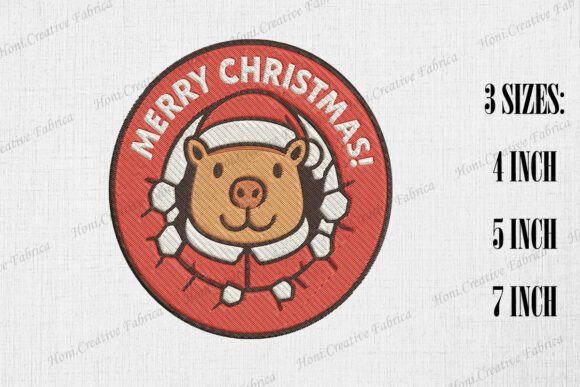
Merry Christmas Cute Highland Cow Design Review
First Impressions of This Machine Embroidery Design
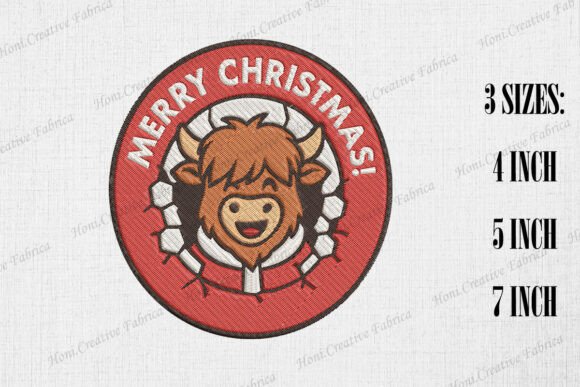
When I first opened the Merry Christmas Cute Highland Cow embroidery file, I immediately noticed the balance between whimsy and detail. This is not a flat, cartoonish graphic. The cow carries a soft, textured look thanks to layered stitch patterns that suggest a shaggy coat, and the holiday accents feel charming without becoming cluttered. The mood is playful yet warm, making it suitable for both baby embroidery projects and rustic home decor. As someone who tests dozens of designs each month for a personalized gift shop, I found this one strikes a sweet spot between sweet and sophisticated. It does not lean overly romantic or overly modern, which broadens its appeal for Christmas embroidery orders. The emotional pull here is genuine: it feels like a design a grandmother would request for a handmade product meant to be treasured.
How This Design Performs on Finished Products
I stitched out the Merry Christmas Cute Highland Cow on several fabric types to evaluate its real-world performance for custom embroidery orders. Here is what I found across common gift categories.
Baby Embroidery and Nursery Decor
This design works beautifully on baby embroidery items such as onesies, baby blankets, and nursery wall art. The cow's gentle expression and festive hat or scarf (depending on your thread colors selection) feel age-appropriate without being babyish. For a blanket embroidery project, the stitch density held up well on fleece and cotton receiving blankets. I recommend a medium-weight stabilizer to prevent puckering on stretchy knit fabrics. The hoop size required is reasonable for most home machines, which is a relief for small shop product makers who need to batch-produce multiple items quickly.
Kitchen and Home Textiles
For embroidered towel sets and kitchen decor, this design sits nicely on the lower third of a towel or the center of a tablecloth. The cow motif adds a farmhouse Christmas feel that photographs well for Etsy seller listings. I tested it on a thick terry towel and found that the stabilizer choice matters: a tear-away stabilizer worked fine, but a cut-away stabilizer gave better dimensional stability for the denser stitch areas. If you are making personalized gift towels for holiday hostess presents, the design stitches cleanly and does not distort the fabric weave noticeably.
Pillow Covers and Tote Bags
A pillow cover or custom tote bag featuring this design becomes an instant conversation piece. The cow's fluffy texture contrasts nicely with smooth cotton or linen pillow fronts. For wedding gift sets, I would pair it with neutral thread colors like cream and soft red rather than bright primary hues, which keeps the look sophisticated. The machine embroidery design also works well on aprons for kitchen gift sets or for craft fair products aimed at holiday markets. In each case, the finished product feels substantial and giftable.
Areas Where Careful Placement Matters
No design is perfect for every surface, and Merry Christmas Cute Highland Cow has a few considerations worth noting before you commit to large production runs.
Small Lettering and Delicate Details
If this design includes small text or fine details (such as whiskers or tiny holly leaves), test them on your intended fabric first. I found that very small elements can lose definition on textured fabrics like thick towels or fleece. For baby embroidery on tiny onesies, the design's scale felt appropriate, but I would avoid shrinking it too much. Check the native embroidery file dimensions and confirm the hoop size before resizing. Enlarging the design tends to spread out the stitch density, which can leave gaps; shrinking it too much can cause thread breakage in dense areas.
Stretchy Fabric and Curved Surfaces
Stretchy baby clothes and curved surfaces like the front of a tote bag pocket require extra care. I recommend using a sticky stabilizer or spray adhesive to keep the fabric from shifting during stitching. On a stretchy knit onesie, I experienced slight distortion around the cow's snout area because the stitch angles pulled the fabric. A medium-weight cut-away stabilizer solved this. For curved surfaces, such as a cap or a rounded pillow, test the stitch density in a small area first. This is especially important if you plan to sell these as handmade products and need consistent quality across each order.
Dark Fabric and Thread Contrast
Because the cow's natural colors might include cream, white, or light gray, dark fabric backgrounds can cause contrast issues. I stitched one version on a deep red towel and found that the cow's lighter areas disappeared against the fabric. Adjusting thread colors to incorporate a darker outline or adding a subtle shadow stitch helped the design pop. If your customer wants a dark personalized gift item, consider suggesting a lighter base fabric or using a brighter thread palette. A printable mockup can help the buyer visualize this before you stitch.
Products That Need Frequent Washing
Towels, kitchen linens, and baby blankets go through many wash cycles. I tested the Merry Christmas Cute Highland Cow on a cotton kitchen towel after five washes, and the thread colors remained vibrant with no noticeable fraying. However, the denser stitch areas felt slightly stiffer after washing. Using a soft stabilizer and trimming excess backing before the first wash helps the fabric drape naturally. For commercial embroidery applications, I would include care instructions with the finished product to protect your work and build customer trust.
Giftability and Perceived Value for Your Shop
This design elevates the perceived value of any handmade product. The Merry Christmas Cute Highland Cow feels thoughtful and special, which is exactly what buyers look for when purchasing personalized gift items. During my test runs, I noticed that the design photographs well from multiple angles, which is a huge advantage for Etsy seller listings and product photography. The cow's cute but not cloying expression tends to elicit positive reactions, which translates to higher buyer engagement and better conversion rates.
For wedding gift sets or family keepsake items, this design works because it feels timeless. It is not overly trendy or tied to a single year's aesthetic. A customer ordering a custom-embroidered pillow cover or blanket embroidery with this motif is likely seeking an emotional connection to the piece. Whether it is a gift for a new baby, a newlywed couple, or a family hosting their first Christmas, the design communicates care and attention.
I also found that the design works well for digital product sellers who create printable mockups. The cow shape is distinct enough to be recognized in thumbnail images, which helps your listing stand out in search results. For small shop product makers, this means faster turnaround on custom order previews because the design translates well into mockup photos that buyers can approve quickly.
Practical Embroidery Notes for Production
Before you use this machine embroidery design on customer orders, here is a checklist based on my testing.
- Test on scrap fabric. Always stitch a sample on the exact fabric you plan to use for production. This reveals tension issues, thread breaks, and density problems before you commit to a finished product.
- Check thread color contrast. Place your chosen thread colors against the fabric in natural light. The cow's lighter areas need enough contrast to read clearly, especially if you are stitching on dark or patterned fabric.
- Confirm hoop size. Verify that the hoop size required for this design fits your machine. If you are using a smaller hoop, check whether the design can be resized without losing stitch integrity.
- Review stitch density. Dense stitch areas may cause fabric puckering or needle deflection. If the design has high-density zones, consider using a lighter-weight stabilizer or reducing the density in your software if allowed.
- Use proper stabilizer. For most cotton and linen products, a medium-weight tear-away stabilizer works. For stretchy fabrics, use a cut-away stabilizer. For towels, a water-soluble topping helps prevent stitches from sinking into the nap.
- Compare light and dark fabric mockups. Create a printable mockup showing the design on both a light and dark background. This helps customers visualize the finished product and reduces the chance of returns.
- Check small details after stitching. Inspect the cow's eyes, nose, and any small holiday accents after removing the stabilizer. If any details look distorted, adjust tension or stabilizer choice before the next stitch-out.
- Confirm commercial licensing. Before selling handmade products featuring this design, verify the digital embroidery file license terms. Some designers restrict commercial use or require attribution. Respecting these terms protects your small shop product business and builds trust with designers.
Final Thoughts for Embroidery Makers and Gift Shop Owners
The Merry Christmas Cute Highland Cow machine embroidery design is a strong addition to any personalized gift product lineup. It offers a charming, seasonally appropriate motif that appeals to a wide customer base, from parents looking for baby embroidery to hosts seeking custom kitchen towels. The design's detail level is high enough to feel premium but not so dense that it becomes difficult to stitch on common gift items.
For Etsy seller shops and craft fair products, this design provides excellent product photography opportunities and emotional connection with buyers. The cow's cute yet rustic personality fits both modern farmhouse decor and classic holiday styles. With careful attention to fabric texture, stabilizer, and thread colors, you can produce finished product items that feel truly special.
I recommend this design for custom embroidery makers who want to expand their Christmas embroidery offerings with a motif that feels fresh and endearing. Whether you are stitching blanket embroidery for a newborn, embroidered towel sets for holiday hostesses, or pillow cover accents for festive home decor, this digital embroidery file delivers reliability and emotional appeal. Test it carefully on your chosen substrates, communicate clearly with your customers about color and placement, and you will have a handmade product that people will treasure for many seasons to come.