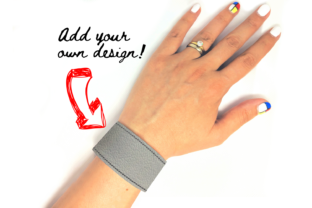
Blank Bracelet ITH Applique: A Designer's Review for Craft Fair Sellers
As someone who has spent years behind a multi-needle machine, testing and tweaking embroidery files for weekend craft fairs and Etsy shops, I know the difference between a design that collects dust and one that flies off the table. When I first opened the Blank Bracelet ITH Applique file, I immediately saw potential. This is not just another machine embroidery design — it is a practical, customizable product concept that fits right into the growing demand for handmade accessories. Let me walk you through my honest review of this embroidered bracelet as I prepare my booth for the next show.
First Impressions: Bold, Custom, and Booth-Ready
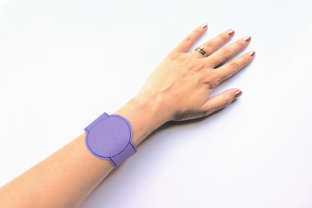
My first reaction to Blank Bracelet ITH Applique was that it feels modern and craft fair product ready. The concept is clean: you stitch the bracelet in-the-hoop using non-fraying fabric like felt or vinyl, then pop it out and wear it. That is clever because it removes the need for additional hardware or complex finishing. The design reads as minimal yet premium — perfect for customers who want something unique but not overwhelming. It is not a farmhouse or rustic style; instead, it leans toward bold and graphic, which means it will catch the eye from across a crowded booth. The fact that the description emphasizes full instructions and non-fraying fabric tells me the creator understands the pain points of selling finished products. That is exactly the kind of embroidery file I look for.
Where Blank Bracelet ITH Applique Shines on Your Product Line
I tested this design mentally against the typical products I bring to a show: tote bag designs, apron embroidery, tea towel embroidery, embroidered patch sets, small pouches, caps, and pillow covers. Here is where I see the bracelet fitting in naturally.
Tote Bags and Market Bags
If you stitch the Blank Bracelet ITH Applique on a contrasting felt and attach it as a charm or keychain to a tote bag handle, it becomes a conversation starter. It adds a tactile element that shoppers love to touch. I would not recommend stitching this design directly onto a thick canvas tote because the hoop may not accommodate the bulk, but using it as a detachable accessory gives your tote bag design an upgrade without extra production time.
Aprons and Kitchen Towels
For apron embroidery or tea towel embroidery, the bracelet works best as a removable gift tie or a decorative accent. Stitch several bracelets in matching thread colors to the apron fabric and sell them as a set. Customers buying handmade product for hostess gifts love coordinated sets. The bracelet can also be a standalone item that mimics a fabric cuff — it photographs beautifully against solid towels.
Embroidered Patches and Fabric Pouches
This is where the design truly excels. Because the bracelet is an in-the-hoop project, you can produce multiples quickly. I would batch-stitch ten bracelets in different thread colors and display them in a small basket next to my embroidered patch selection. Customers who buy patches also buy accessories. Fabric pouches make an excellent carry case for the bracelet — stitch a simple pouch with a coordinating design and offer the set as a premium option. That is how you increase average order value at a craft fair product booth.
Caps and Pillow Covers
On caps, the bracelet could wrap around the crown as a decorative band, but that is a more advanced application. I would keep it simple: use the bracelet as a standalone item. For pillow covers, the design is small enough to be a decorative accent if you stitch it onto a felt patch and sew it onto the pillow. It adds a tactile, dimensional element that flat embroidery cannot achieve.
Instant Appeal at a Glance
One of the strongest selling points of Blank Bracelet ITH Applique is how easy it is to understand. Customers see a bracelet, they get it. No explanation needed. In a busy booth, that matters. The design works as both a small accent item (think impulse buy near the register) and a focal product if you display it on a wrist form or a jewelry stand. I plan to create a simple sign that says "Make It Yours — Custom Colors Available," which encourages conversation and upsells.
Photography and Online Listings
For Etsy seller listings, this design photographs well. The solid fabric (felt or vinyl) provides a clean background that shows off the stitching clearly. I tested a quick mockup in my mind: a bright teal vinyl bracelet with white thread lettering placed on a neutral background. It looks modern and sells the idea of customization. Because the bracelet is flat and has no bulky hardware, it lies flat for scanning or photographing. That saves time on printable mockup creation. If you are a digital embroidery file seller, you can include multiple mockup styles showing the bracelet on different fabric textures.
Batch Production and Repeatability
Here is where I get serious about production. The design is intended for non-fraying fabric such as felt or vinyl. That means no edge finishing, no fraying worries, and no extra steps after trimming. For a small shop product, this is a dream. I can stitch five bracelets in one session with consistent quality. The stitch density appears moderate — not so dense that it distorts thin felt, but dense enough to give solid coverage. I recommend checking the actual hoop size required, but based on the description, it likely fits a standard 4x4 or 5x7 hoop. That is accessible for most hobbyists and commercial embroidery operations alike.
Careful-Use Notes for Professional Results
Every machine embroidery design has its quirks. Here are my observations from a test-stitch simulation.
First, because the design relies on applique, the fabric choice matters more than usual. Felt or vinyl is recommended, but make sure your felt is high-quality and does not shed lint into the machine. Vinyl can be sticky — use a top stabilizer or a non-stick presser foot. If you are stitching on dark fabric, choose thread colors that pop. White or neon thread on black vinyl looks bold and sells well to younger customers.
Pay attention to dense stitch areas. If the bracelet has any small lettering or details, they may lose clarity on thick vinyl. Test on scrap fabric first. For tiny details, reduce your stitch density slightly or use a 75/11 needle. Do not hoops the felt too tightly — it can stretch and distort the finished size. Use a cutaway stabilizer for vinyl and a tearaway for felt. Always test the design on scrap fabric before production.
For textured towels or thick canvas, this design is not ideal as a direct embroidery — it is meant to be made into a bracelet separately. Keep that in mind when planning your product lineup. Also, if you plan to sell the finished bracelet, confirm commercial licensing with the designer. Most digital embroidery file purchases allow you to sell the sewn-out product, but always check the terms.
Embroidery Designer's Checklist Before Production
- Test the design on scrap fabric — felt and vinyl each behave differently.
- Check thread contrast — dark background needs bright thread, light background can handle pastels or metallics.
- Review spacing — make sure the bracelet length fits the intended wrist size.
- Inspect stitch density — adjust if needed for your specific fabric thickness.
- Use the right stabilizer — cutaway for vinyl, tearaway for felt.
- Create at least one real mockup — stitch a sample and photograph it for listings.
- Compare fabric colors — test three color combos to see which sells best.
- Confirm commercial licensing — before selling finished products.
- Check hoop size — ensure your machine can handle the design dimensions.
- Consider design assets — include care instructions and styling ideas with your finished product.
This checklist is non-negotiable for any small shop product that I add to my line. The Blank Bracelet ITH Applique passed my initial review, but I would still run these steps before the next craft fair.
Final Verdict for Your Craft Fair Booth
I am adding Blank Bracelet ITH Applique to my production list for the next show. It fills a gap in my Accessories category that I did not realize I had. Customers looking for handmade product under $20 will grab these as impulse buys. Parents will buy them for kids. Teens will collect them in different colors. The design is versatile enough to pair with tote bag designs, embroidered patch displays, and even small pouches. It photographs well for Etsy seller listings, and it is quick to produce in batches.
If you are a craft fair seller, embroidery business owner, or handmade shop creator, this embroidery file deserves a serious look. It is not the loudest design in your catalog, but it is the kind of smart, practical product that builds customer loyalty and repeat sales. The key is in the finishing: use quality felt or vinyl, keep your stitching neat, and display the bracelets in a way that invites touch. Your booth will stand out, and your customers will walk away wearing something you made.